Sponge diving in Kalymnos
Sponge diving in Kalymnos
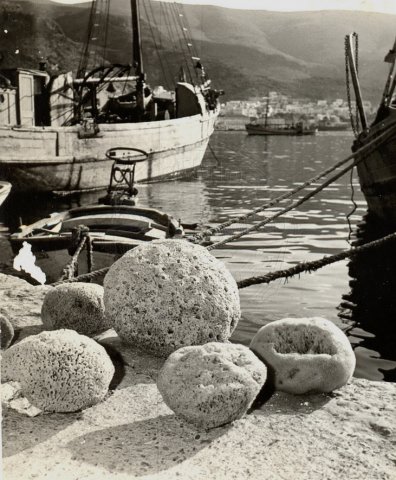
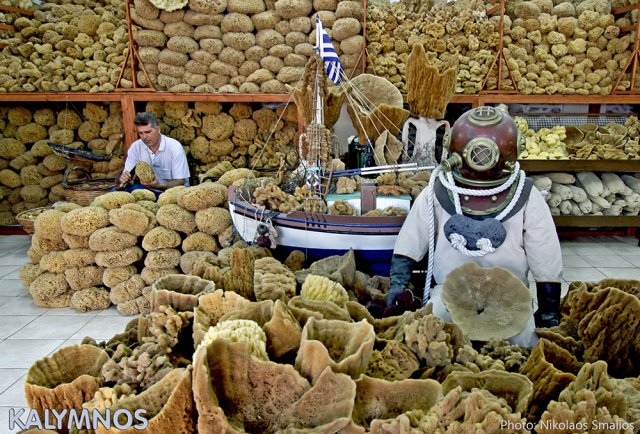
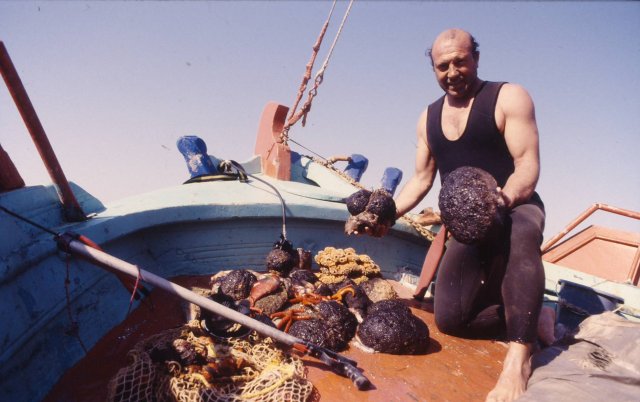
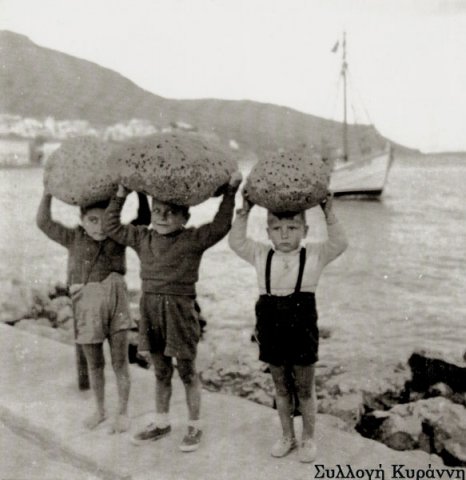
It seems that the barren soil of the island, combined with the stunning beauty of the Mediterranean seabed, played an important role in shaping the character of the Kalymnians. They are endowed with a diversity that blends a raw intensity with a certain nobility of soul. These characteristics can be said to resemble the nature of the Sponge itself, which is found at a wide range of depths—from just a few centimeters to the abyssal depths of 8,500 meters. There are 5,000 different species of Sponges, and they may vary in color, size, and quality—some are smooth and velvety, while others may be rough and tough.
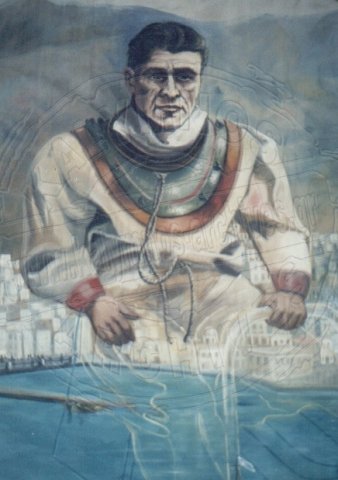
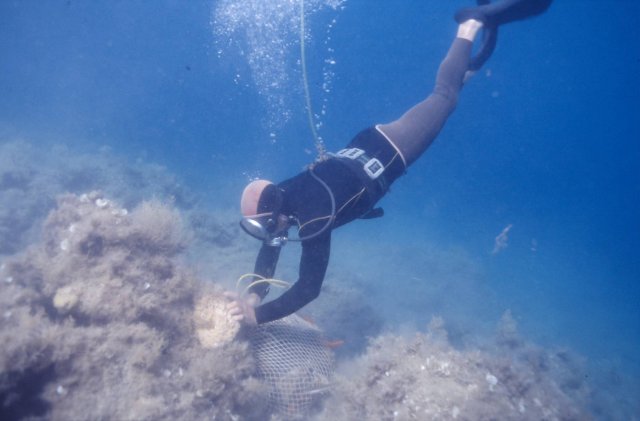
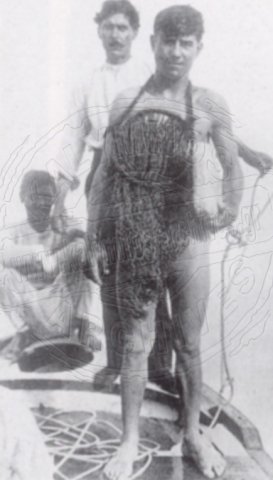
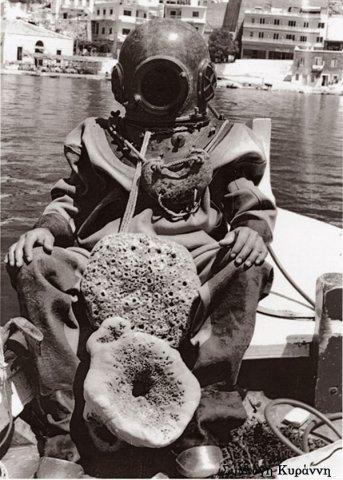
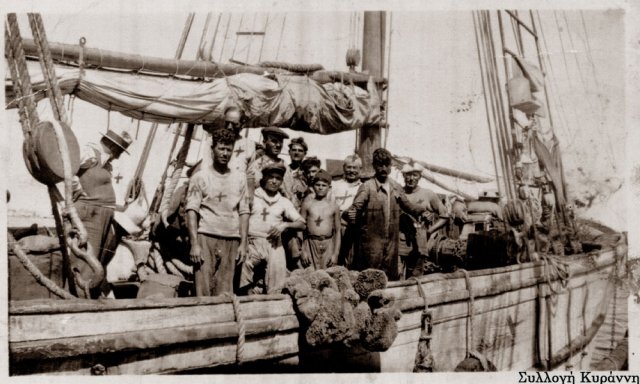
The 'Gabriele d'Annunzio' University in Chieti, Italy—a modern and vibrant institution—proposed in 1984 the establishment of a research center for Hyperbaric Underwater Medicine on the island of Kalymnos. To support this idea, they wrote: '…what makes the island unique is the fact that its fishermen have been diving for sponges for thousands of years.' The point is that diving—whether using the old method of breath-holding or, as is done today, with scuba divers—has become second nature to them. As one generation succeeded the next, they became divers, and thus, both physically and mentally, they became thoroughly familiar with the skill of diving. Therefore, Kalymnos would be the most suitable place for the creation of such an underwater institute, as proposed. The people of Kalymnos would not only appreciate its purpose, but they would also expand and enhance its operation.
Today, however, things are entirely different. Due to a devastating disease that has affected sponge colonies throughout the Mediterranean, the island’s inhabitants have been forced to turn to other types of fishing. The sponge-diving boats have been replaced by vessels equipped for tuna and swordfish fishing, which are in high demand.
In the meantime, how did society respond to this imposed change? When people spoke of sponge diving, the saying was: '…you don’t come up empty-handed. Either you catch them, or they catch you!' So what are they doing now under these new conditions?
Many families have emigrated abroad. Others turned to land-based work. However, one thing is certain: everyone is waiting—waiting patiently—for the moment when the Sponge Divers’ fleet will set sail once again, and for the moment when, once more, they will hear the bells of Saint Nicholas' church, their patron, ringing with joy for the safe return of fathers, brothers, and sons.
Everyone is almost certain that the Sponge will never disappear from the face of the Earth. It is simply weathering a storm. The sea is rough at the moment, but the storm will pass.