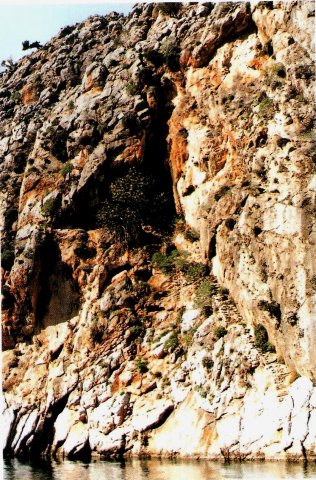
Caves
Kefala's Cave
The composition of Kalymnos' rocks has contributed to the creation of numerous caves. Many of those present, apart from geological interest archaeological interest as well, as they were inhabited in the past or were used as places of worship.
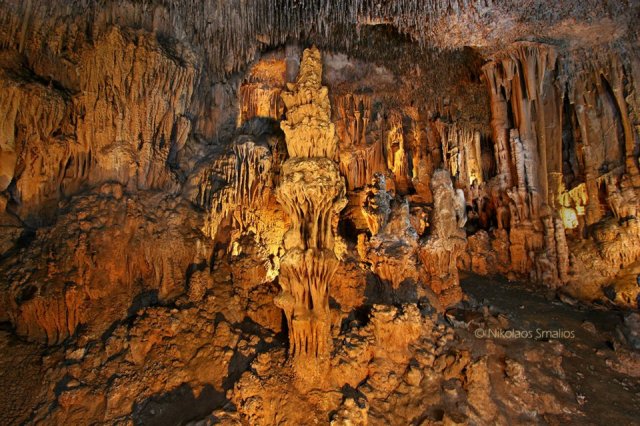
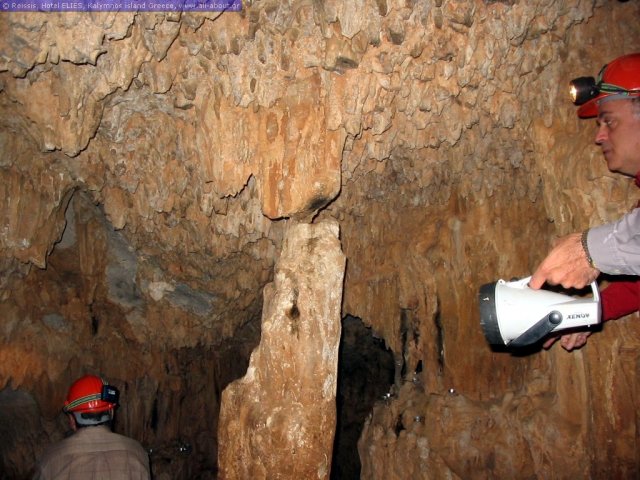
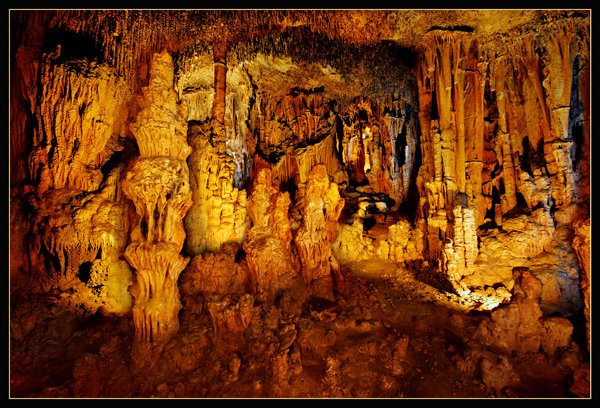
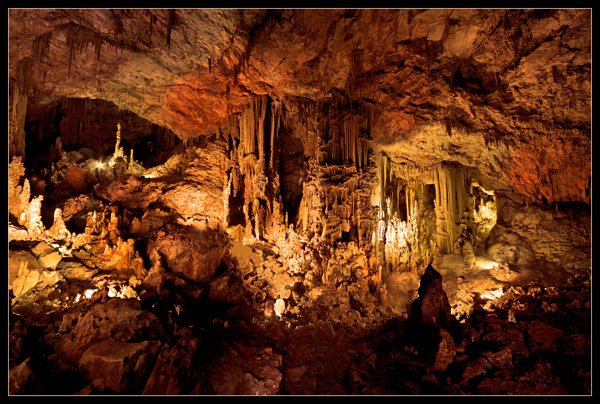
At a distance of 2 kilometres southwest of Vothinoi one can visit the Kefala's cave, the most impressive and beautiful cave on the entire island of Kalymnos, its extend is 1000 square metres, with six inner chambers. In Kefala's cave you will be impressed by the imposing, 103 meters long, hallway with the huge stalactites and stalagmites. You will also be able to see traces of the worship of Zeus, which is the reason why the cave bears the alternative name 'Cave of Zeus'.
You can go there by boat or along the provincial road from Pothia (note that this road later on becomes a dirt road). Once you reach the top of the hill where the road ends, and after you have passed in front of St. Catherine's Monastery, will need to follow the signs marked on the rocks in order to reach the cave.
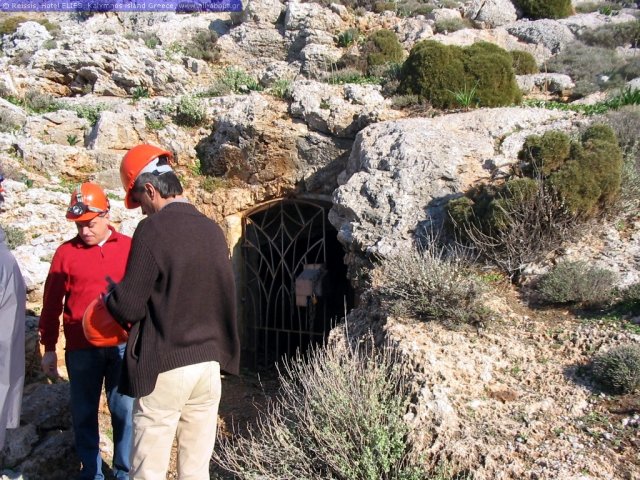
Agia Varvara's Cave
The Agia Varvara's Cave took its name from the church situated nearby, on the hill of Troutsoulas. It consists of two main chambers that communicate through a narrow passageway. The rare findings discovered in the cave indicate its use since the Early Bronze Age.
Choiromantres Cave
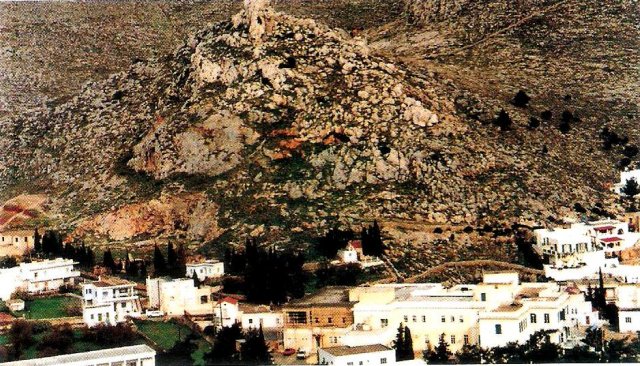
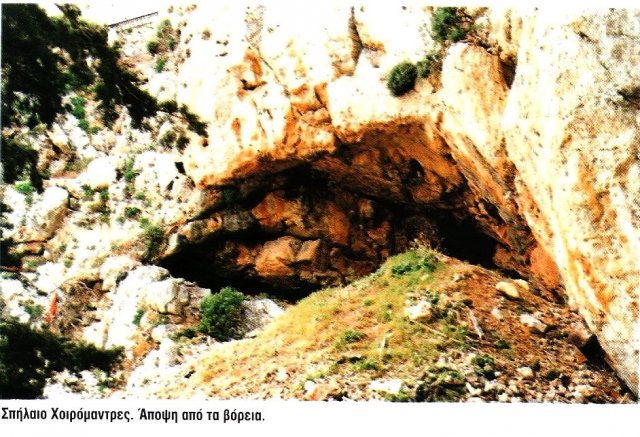
Choiromantres Cave is located on the south slope of Pothia, below the monastery of Agioi Pantes. Neolithic findings and shells which date up to the early Christian era were discovered within and around the cave. Their presence testifies to the continuous habitation and the ritual use of site. Unfortunately, the form of the cave was altered after the collapse of the dome.
Daskalio Cave
For the more experienced explorers we recommend the -relatively inaccessible- Daskalio cave in Vathys, which you will access after taking off some carved steps. The most important Prehistoric discoveries come from the site of Daskalio which consists of one main chamber (25 x 12 m). Neolithic tools and the late minoan-age pottery found in there reveal human presence in the region since ancient times, demonstrating at the same time the use of the cave for both habitation and worship.